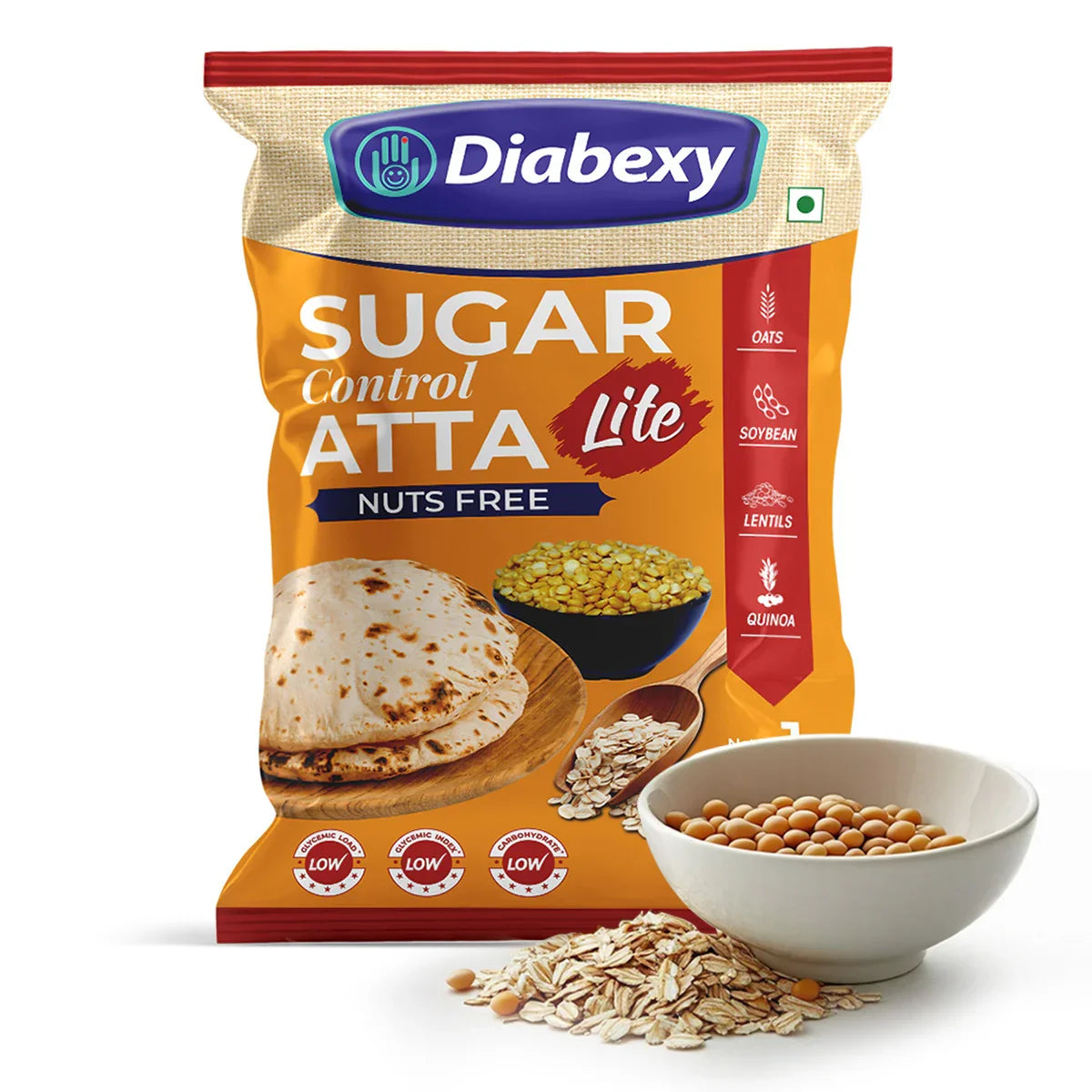
High Protein Atta for Diabetes and Weight Loss: How 40g Protein in Sugar Control Atta Helps Manage Blood Sugar and Muscle Loss
Protein is the one nutrient most Indian diets are short on and most diabetics need the most. The typical Indian meal is built around carbohydrate. Rice, roti, dal that is mostly carbohydrate, sabzi, maybe a little curd. Protein is an afterthought. For someone with diabetes, this carbohydrate-heavy, protein-light pattern is exactly the wrong balance, and it plays a direct role in why blood sugar stays high and why muscle slowly disappears over the years.
This is where high protein atta changes things. If the atta you use for your daily rotis carries a large amount of protein instead of being almost pure carbohydrate, then every roti you eat is quietly working in your favour rather than against you. This blog explains why protein atta for diabetes matters, how it helps with both blood sugar and weight loss, why muscle loss is a hidden problem in diabetes, and how Diabexy Sugar Control Atta delivers 40 grams of protein per 100 grams, more than three times what regular atta offers.

Why Do Diabetics Need More Protein Than Other People?
Diabetics need more protein for two reasons that are specific to how diabetes affects the body. The first is blood sugar control. Protein digests slowly and does not convert to glucose the way carbohydrates do. When a meal has a high proportion of protein, the overall glucose absorption from that meal slows down, which flattens the blood sugar spike after eating. A meal that is 25 to 30 percent protein can reduce post-meal blood sugar spikes significantly compared to a high-carbohydrate meal.
The second reason is muscle preservation. This is the part most people do not know about. Diabetes causes gradual muscle loss over time through a process linked to insulin resistance. When cells cannot use glucose properly because of insulin resistance, the body starts breaking down muscle tissue to meet its energy needs. This is why many long-term diabetics look thinner and weaker in the arms and legs even when their belly fat increases. The muscle is quietly wasting away.
Adequate protein rich atta in the daily diet directly counters this. Protein provides the amino acids the body needs to maintain and rebuild muscle. For a diabetic, protecting muscle mass is not just about looking fit. Muscle is where most of the body's glucose gets used. More muscle means better blood sugar control. Less muscle means worse blood sugar control. So preserving muscle through adequate protein intake is actually part of managing diabetes itself.
The Hidden Problem of Muscle Loss in Diabetes
Muscle loss in diabetes happens quietly and most people do not notice it until it is advanced. The medical term is sarcopenia, and diabetics develop it faster than non-diabetics. Here is the cycle: high blood sugar and insulin resistance prevent muscle cells from taking in glucose properly, the body compensates by breaking down muscle protein for energy, muscle mass decreases, and because muscle is the largest site of glucose disposal in the body, less muscle means the remaining glucose has fewer places to go, which raises blood sugar further, which accelerates the whole cycle.
The most damaging part of many weight loss attempts by diabetics is that they lose muscle along with fat, which makes them look weak and actually worsens their blood sugar control. This happens when people cut calories drastically without eating enough protein. The body burns muscle for fuel.
The solution is to keep protein intake high while managing carbohydrates. This preserves muscle during weight loss so that what you lose is fat, not muscle. A diabetic weight loss atta that is high in protein makes this much easier because your daily staple food is now contributing significantly to your protein target instead of just adding carbohydrate.

How Does High Protein Atta Slow Down Glucose Absorption?
When you eat a roti made from regular wheat atta, it is almost entirely carbohydrate. That carbohydrate breaks down into glucose rapidly and floods the bloodstream, causing a sharp spike. When you eat a roti made from high protein atta, the protein content changes the digestion process in several ways.
Protein takes longer to digest than carbohydrate, so the stomach empties more slowly and glucose enters the bloodstream gradually instead of all at once. Protein also triggers the release of gut hormones that slow gastric emptying further and improve the body's insulin response. And because a high protein atta has less carbohydrate to begin with, there is simply less glucose being produced from the same amount of food. All three effects combine to keep the post-meal blood sugar curve flat instead of sharp.
| Benefit of High Protein Atta | How It Helps Diabetics and Weight Loss |
|---|---|
| Slows glucose absorption | Protein digests slowly, flattening the blood sugar spike from the meal |
| Increases satiety | You feel full for longer, so you eat less overall and snack less |
| Preserves muscle mass | Prevents the muscle loss common in diabetes and during weight loss |
| Higher thermic effect | Body burns more calories digesting protein than carbs or fat |
| Lower insulin demand | Less carbohydrate means less insulin needed, reducing insulin resistance |
| Supports fat loss | Lower insulin levels allow the body to burn stored fat more easily |
High Protein Atta Comparison: How Much Protein Is Actually Enough?
Here is where you have to be careful. Many products in the market are labelled high protein flour India but deliver only 12 to 15 grams of protein per 100 grams. Regular wheat atta already has about 12 grams. So a product with 13 or 14 grams is barely different from what you already eat. The label says high protein but the actual difference is minimal.
| Flour Type | Protein Per 100g | Protein Per Roti | Glucose Load |
|---|---|---|---|
| Regular wheat atta | 12g | ~3.5g | 48 to 50 (high) |
| Multigrain atta | 12 to 14g | ~4g | 38 to 44 (high) |
| Standard protein atta | 12 to 15g | ~4.5g | Moderate to high |
| Diabexy Sugar Control Atta | 40g | ~12g | 7 (very low) |

Where Does the Protein in Sugar Control Atta Come From?
The 40 grams of protein in Sugar Control Atta does not come from a single added protein powder. It comes from a blend of naturally protein-rich whole foods, which means you also get the fibre, healthy fats and micronutrients that come with them:
- Peanuts: Around 25 grams of protein per 100 grams, plus healthy monounsaturated fats
- Isolated soy protein: One of the most concentrated plant protein sources available, near pure protein
- Fat-free soy flour: High protein with the fat removed, adds protein without excess calories
- Almonds: Protein plus magnesium, which improves insulin sensitivity
- Isolated wheat protein: Adds gluten structure for soft rotis while contributing protein, not starch
- Lentils: Plant protein plus fibre and slow-digesting carbohydrate
- Seeds (flax, sesame, pumpkin): Protein, omega-3 fats, minerals and fibre
This is the difference between a genuine high protein atta and one that simply has a protein powder sprinkled in. The protein here comes packaged with all the other benefits of whole nuts, seeds and legumes.

How High Protein Atta Helps With Weight Loss
For weight loss, atta for weight loss that is high in protein works through three mechanisms at once. First, protein is the most filling of all nutrients. A high protein roti keeps you full for longer, so you naturally eat less across the day and feel less need to snack between meals. Second, protein has a high thermic effect, meaning your body burns more calories digesting protein than it does digesting carbohydrate or fat. Around 30 percent of the calories in protein are used up just in digesting it.
Third, and most important for diabetics, a high protein low carbohydrate atta keeps insulin levels lower. Insulin is the hormone that signals the body to store fat. When you eat high-carbohydrate meals, insulin rises and fat storage is switched on. When you eat high-protein low-carbohydrate meals, insulin stays lower and the body is able to burn stored fat for energy. This is why a low carb high protein atta supports fat loss specifically, not just weight loss, and helps you lose fat while keeping muscle.
The best part is that you achieve all of this without eating anything unusual or difficult. You are still eating roti at every meal, the same as everyone else at your table. You have just changed what the roti is made from.

Diabexy is India's number one diabetes education platform, trusted by more than 2 million people. Our mission is to eradicate diabetes from India the way polio was eradicated, through the right knowledge and the right food. We make India's first low glycemic load foods including Sugar Control Atta, Sugar Free Sweetener Drops and the EGL Chart covering 300 plus Indian foods. Visit diabexy.com.
Frequently Asked Questions
Among widely available attas in India, specialised diabetic and keto attas made from nuts, seeds and protein isolates have the highest protein content. Diabexy Sugar Control Atta contains around 40 grams of protein per 100 grams, which is one of the highest available. Regular wheat atta has about 12 grams and most standard multigrain or protein attas have 12 to 15 grams. The high protein content in specialised diabetic attas comes from ingredients like peanuts, soy protein isolate, almonds and lentils rather than grains, which is what allows the protein to be three times higher than regular atta while keeping the glucose load low.
A diabetic generally needs more protein than the standard recommendation to preserve muscle mass and support blood sugar control. While the basic recommendation is around 0.8 grams per kilogram of body weight, many diabetes nutritionists recommend 1 to 1.2 grams per kilogram for people with diabetes, provided kidney function is normal. For a 60 kilogram person that is roughly 60 to 72 grams of protein per day. Getting this from a typical carbohydrate-heavy Indian diet is difficult, which is why using a high protein atta for daily rotis is helpful. If each roti provides 12 grams of protein, four rotis across the day contribute nearly 48 grams toward the target from just the atta.
Yes, high protein atta supports weight loss through several mechanisms. Protein is the most filling nutrient, so a high protein roti keeps you full for longer and reduces overall calorie intake and snacking. Protein also has a high thermic effect, meaning the body burns around 30 percent of protein calories just in digesting it. Most importantly, a high protein low carbohydrate atta keeps insulin levels lower, and since insulin signals fat storage, lower insulin allows the body to burn stored fat. High protein intake during weight loss also preserves muscle, so you lose fat rather than muscle, which keeps your metabolism healthy and your body strong.
Diabetics lose muscle mass because of insulin resistance and chronically high blood sugar. When cells become resistant to insulin, they cannot take in glucose properly for energy, so the body starts breaking down muscle protein to meet its energy needs. This process, called sarcopenia, happens faster in diabetics than in non-diabetics. It creates a harmful cycle because muscle is the largest site where the body uses up glucose. As muscle mass decreases, blood sugar rises further because there is less muscle to absorb glucose, which worsens the insulin resistance. Eating adequate protein daily provides the amino acids needed to preserve and rebuild muscle, which helps break this cycle and improves blood sugar control.
Yes, high protein atta helps control blood sugar in two ways. First, protein digests slowly and does not convert to glucose the way carbohydrates do, so a roti high in protein causes a slower, flatter rise in blood sugar rather than a sharp spike. Second, a genuinely high protein atta has less carbohydrate to begin with, so there is simply less glucose being produced from the meal. A high protein atta like Diabexy Sugar Control Atta combines both effects: high protein at 40 grams per 100 grams and a very low glucose load of 7. This makes it significantly more effective at blood sugar control than regular or standard multigrain atta.
They serve different purposes and can work together. Whey protein is a concentrated protein supplement typically taken as a shake, useful for hitting protein targets quickly, but it is not a staple food and does not replace daily meals. High protein atta is a food staple that integrates protein into your everyday rotis without changing your eating habits or requiring supplements. For a diabetic, high protein atta has the advantage of coming with fibre, healthy fats and micronutrients from the whole nuts and seeds it is made from, along with a low glucose load. Whey provides fast protein but no fibre or the blood-sugar-flattening effect of a low GL meal. For daily sustained protein intake with blood sugar control, high protein atta fits the Indian diet more naturally, while whey can be an optional add-on.
Yes, high protein atta is designed for daily use and is safe for everyday consumption for most people. Because it replaces your regular atta directly, you simply use it for your daily rotis, parathas and theplas. The high protein and low glucose load make it beneficial rather than harmful for daily use, especially for diabetics and those managing weight. The one caution is for people with existing kidney disease, who should consult their doctor before significantly increasing protein intake, since compromised kidneys may need protein restriction. For people with normal kidney function, daily use of high protein atta is both safe and beneficial.
High protein. Low glucose load. Better blood sugar. Stronger body.